April 18, 2026
Desserts often define the final impression a guest takes away from a dining experience. A thoughtfully crafted dessert menu can elevate a meal, encourage repeat visits, and strengthen a restaurant’s reputation. According to Zippia, there are over 660,000 restaurants in the US. That level of competition makes it essential for every restaurant to stand out, and desserts are one of the most effective ways to do it.
A well-balanced dessert selection blends classic favorites with modern creativity. Guests appreciate familiar flavors, but they also enjoy discovering something new. When a restaurant invests in quality ingredients, presentation, and variety, desserts become more than an afterthought. They become a reason to return.
Below are several standout desserts that consistently perform well in any restaurant setting. Each one offers flexibility, visual appeal, and strong customer demand.
The Classic Panna Cotta
Panna Cotta is known for its smooth texture and delicate flavor. This Italian dessert relies on simple ingredients like cream, sugar, and gelatin, yet delivers a refined experience. Its light consistency makes it an excellent option for guests who want something sweet without feeling overly full.
One advantage of offering Panna Cotta in a restaurant is its versatility. It can be flavored with vanilla, citrus, coffee, or even herbs. Seasonal fruits can be added to keep the menu fresh and aligned with current trends. This flexibility allows chefs to reinvent the dessert without changing its core identity.
Presentation also plays a major role. Served in glassware or plated with fruit sauces and garnishes, it creates a visually appealing dish that guests are likely to photograph and share. For a restaurant, that kind of organic exposure is incredibly valuable.
The Timeless Chocolate Fondant
Chocolate fondant, also called molten chocolate cake, is a staple in many upscale restaurant menus. Its rich flavor and signature gooey center create a memorable experience that appeals to a wide range of diners.
The key to a successful fondant lies in precision. Timing and temperature must be carefully controlled to achieve the contrast between the outer cake and the molten interior. When executed correctly, it delivers a consistent and satisfying result that customers expect.
Serving suggestions often include vanilla ice cream, fresh berries, or a dusting of powdered sugar. These additions balance the richness of the chocolate and enhance the overall presentation. For any restaurant aiming to impress dessert lovers, chocolate fondant remains a reliable choice.
The Elegant Strawberry Shortcake
Strawberry shortcake offers a lighter, fruit-forward option that works especially well during warmer months. Its combination of fresh strawberries, cream, and a soft biscuit creates a refreshing and satisfying dessert.
Seasonality is key to making this dish shine. Using fresh, locally sourced strawberries enhances both flavor and presentation. A restaurant that highlights seasonal ingredients can build a stronger connection with guests who value freshness and quality.
Plating can be as simple or elaborate as desired. Layered presentations, decorative sauces, and edible flowers can elevate the dish visually. This dessert allows a restaurant to showcase creativity while maintaining a familiar and comforting flavor profile.
The Indulgent Tiramisu
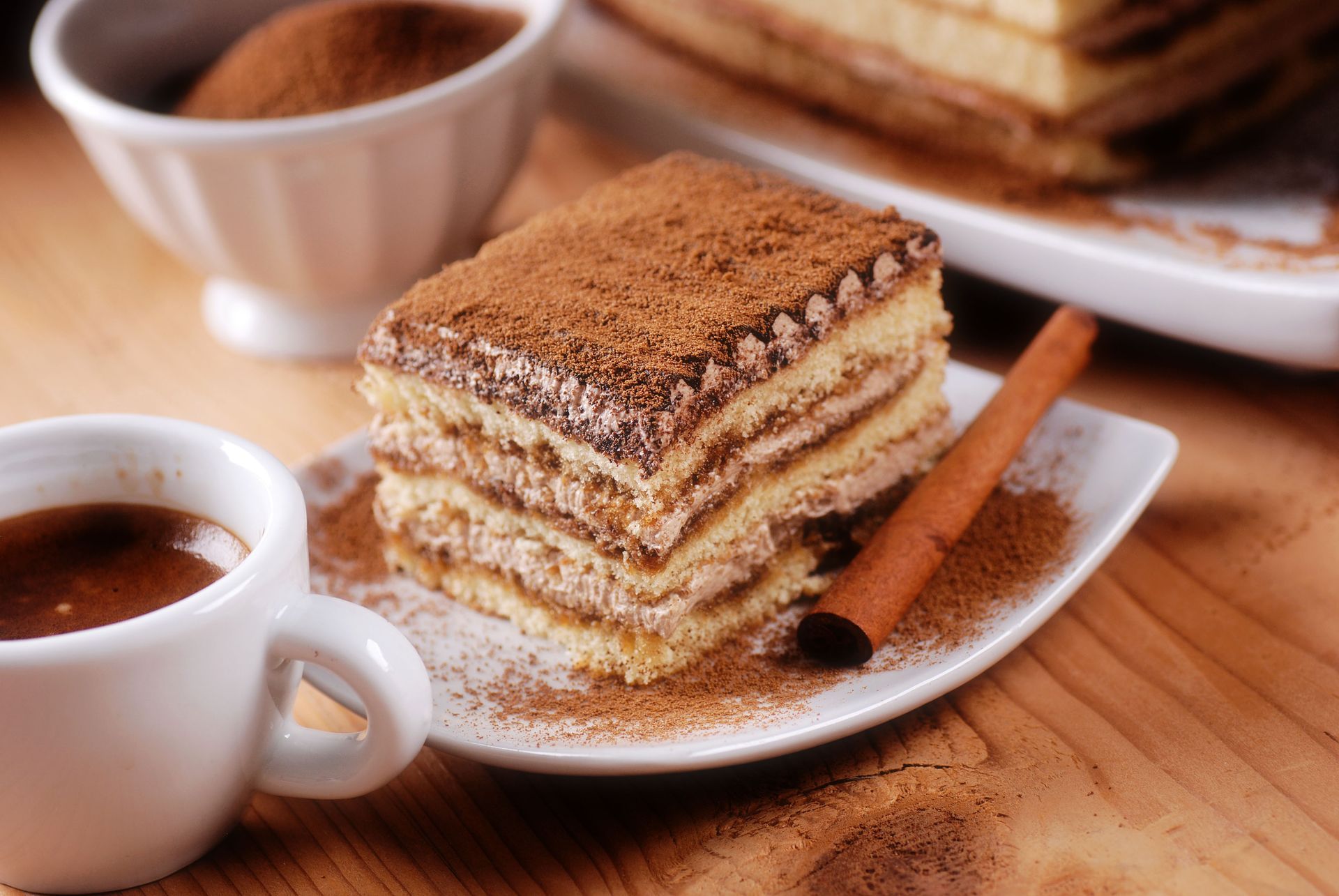
Tiramisu is a classic Italian dessert that continues to perform well across different types of restaurant concepts. Its layers of coffee-soaked ladyfingers, mascarpone cream, and cocoa create a rich yet balanced flavor.
One reason tiramisu remains popular is its recognizable taste. Guests often feel confident ordering it because they know what to expect. At the same time, chefs can introduce subtle variations such as flavored creams or alternative liqueurs to add uniqueness.
Presentation typically involves clean layers served in glass dishes or neatly sliced portions. The visual structure of tiramisu adds to its appeal, making it a dependable and attractive addition to any restaurant menu.
The Crowd-Pleasing Cheesecake
Cheesecake is one of the most versatile desserts a restaurant can offer. Its dense, creamy texture pairs well with a variety of flavors, from classic New York style to fruit-topped or chocolate-infused variations.
Consistency is critical when preparing cheesecake. A smooth texture and balanced sweetness can make a lasting impression on guests. Many restaurants build entire dessert menus around different cheesecake options because of their popularity.
Customization is another advantage. Seasonal toppings, flavored crusts, and creative presentations allow a restaurant to keep the dessert exciting while maintaining a familiar base that customers love.
The Sophisticated Crème Brûlée
Crème brûlée combines a rich custard base with a crisp caramelized sugar topping. The contrast between the creamy interior and the crunchy surface creates a satisfying texture that guests enjoy.
This dessert also offers a bit of theater. The act of cracking the sugar layer adds an interactive element that enhances the dining experience. For a restaurant, these small details can make a big difference in how guests perceive quality.
Flavor variations such as vanilla bean, espresso, or citrus can keep the dish fresh and interesting. Its elegant presentation and balanced flavor make it a staple in many restaurant settings.
The Decadent Brownie Sundae
A brownie sundae is a more casual dessert that still delivers strong appeal. Warm brownies paired with ice cream create a comforting contrast that resonates with a wide audience.
This dessert works especially well in family-friendly or casual dining environments. It is easy to customize with different toppings like caramel, chocolate sauce, or nuts. A restaurant can tailor it to match its overall theme and branding.
Portion size and presentation can vary depending on the concept. Whether served in a skillet or plated traditionally, the brownie sundae remains a reliable crowd favorite.
The Refreshing Sorbet
Sorbet provides a light and refreshing alternative to heavier desserts. Made primarily from fruit and sugar, it offers a clean finish that many guests appreciate after a large meal.
This option is particularly valuable for accommodating dietary preferences. It is often dairy-free, making it suitable for a wider range of customers. A restaurant that includes sorbet on its menu demonstrates awareness of different needs.
Flavor options are nearly endless, from classic lemon and raspberry to more unique combinations. Its simplicity and versatility make it a smart addition to any dessert lineup.
The Artistic Pavlova
Pavlova is known for its crisp exterior and soft, marshmallow-like interior. Topped with whipped cream and fresh fruit, it offers a delicate balance of textures and flavors.
This dessert stands out visually, making it ideal for a restaurant that values presentation. Bright fruits and artistic plating can turn Pavlova into a centerpiece item on the menu.
Its lightness also makes it appealing to guests who want something sweet without feeling overly indulgent. That balance helps it perform well in a variety of dining settings.
A strong dessert menu can significantly impact how guests perceive a restaurant. From rich and indulgent options like chocolate fondant to light and refreshing choices like sorbet, variety is essential. Each dessert plays a role in creating a memorable dining experience.
Consistency, presentation, and quality ingredients are key factors that determine success. When a restaurant pays attention to these details, desserts become more than just a final course. They become a defining element of the overall experience.
By offering a mix of classic and creative desserts, any restaurant can appeal to a wide audience and encourage repeat visits. Investing in desserts is not just about satisfying a sweet tooth. It is about leaving a lasting impression that keeps guests coming back. For more information, contact Paulie's Pub and Eatery.